Menu

WELCOME TO TANZANIA

The Journery Beyond Your Destination...

From pristine beaches and exotic islands to bustling cities and cultural landmarks, Sun & Palm is your gateway to the ultimate Tanzania adventure.

ABOUT US

Discover the Beauty of Tanzania with KiliTwende Adventures

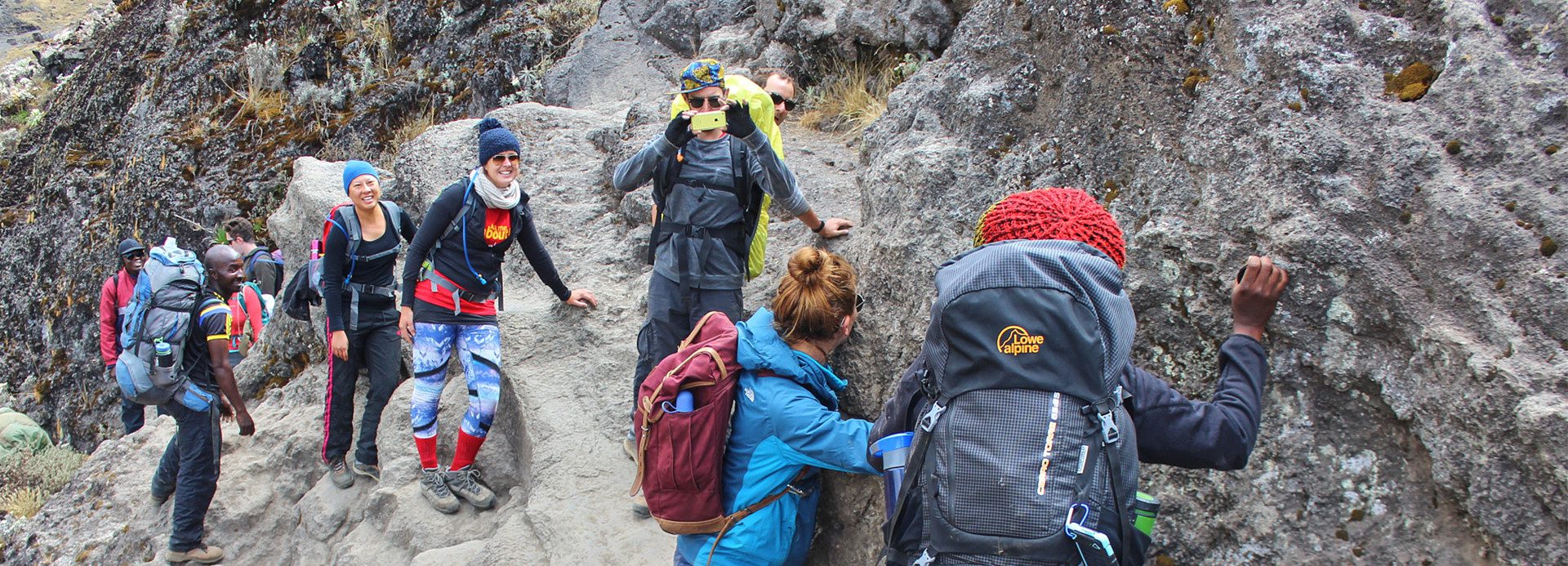
Twende is a Swahili word that means “let’s go” and is spoken in Tanzania and East Africa. You will hear this many times on your Kilimanjaro Trek and Safaris.

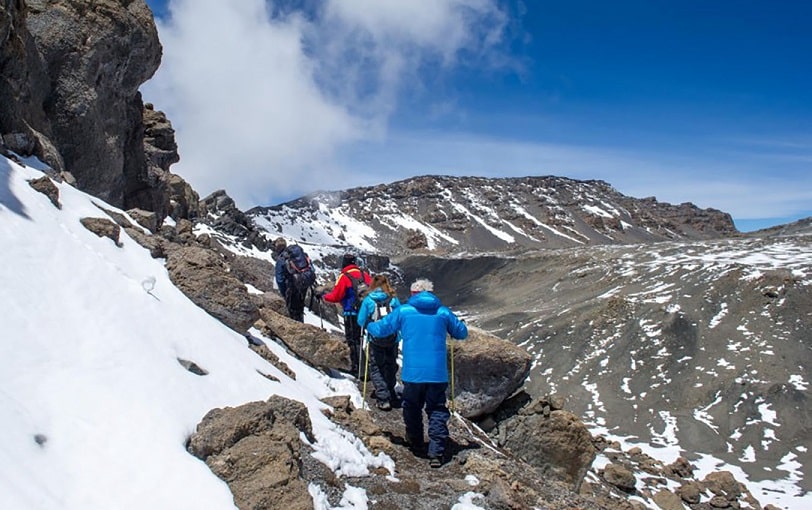
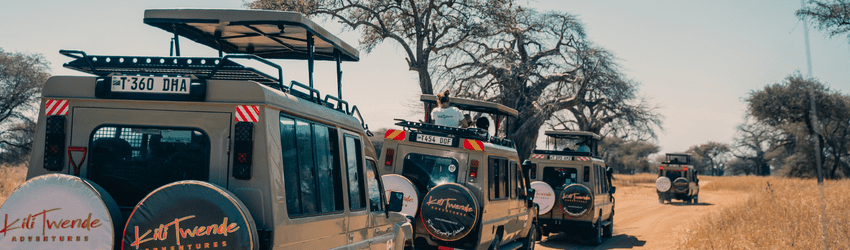
KiliTwende Adventures, owned and operated by indigenous Tanzanians, was established in 2010 and has continued to grow and expand over the years, with the aim of providing the most exciting and satisfying Kilimanjaro Treks and Safaris holidays.

Address:

4th Floor NSSF,

Moshi, Tanzania

Reservation:

+255 755 879 484

We are proud to be awarded by Trip Advisor Excellence Award

FEATURED TRIPS

Classic Tanzania Tours

OUR SERVICES

Why Travel with Us?

01

Personalized Itineraries

We understand that every traveler is unique. That’s why we offer fully customizable tour packages to suit your preferences, whether you’re seeking adventure, relaxation, or a cultural journey.

02

Expert Local Guides

Our team of expert local guides is passionate about sharing their knowledge of Thailand. They’ll take you off the beaten path to discover hidden gems, all while providing an authentic and immersive experience.

03

Stress-Free Travel

From booking flights to arranging accommodations and tours, we handle all the details so you can focus on enjoying your trip. Our team is available 24/7 to assist you during your travels.

EXPLORE ZANZIBAR

Beaches & Islands

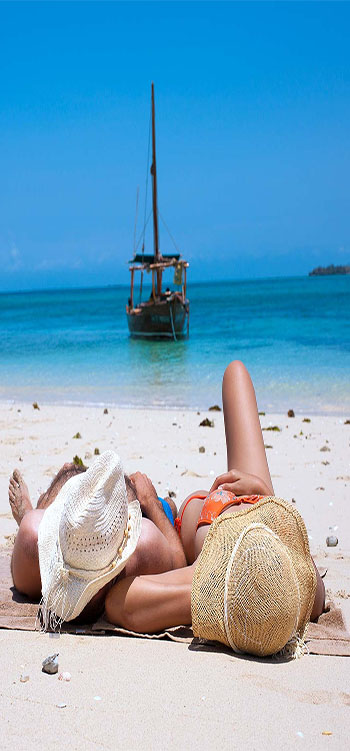
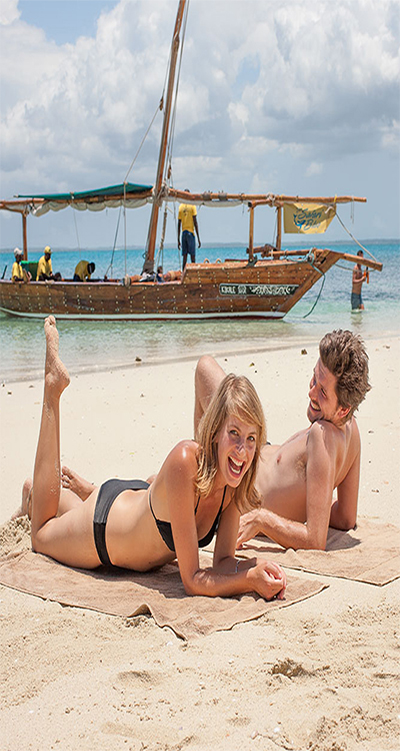
Tanzania is home to some of the world’s most beautiful beaches and islands. Whether you want to relax on the white sands of Zanzibar Safari Blue, explore the crystal-clear waters of Mafia Island, or enjoy a private island retreat.

TESTIMONIALS

Customer Reviews

Excellent

Trustscore 4.8

1,564 Reviews

An excellent rating because the planning of the journey was easy and tailored to our needs, thank you Bobby for your fantastic advice! The logistics worked out without the slightest issue and the driver Ally was clearly one of the best around, he really cared about our preferences and did everything to make it a memorable journey for the four of us. Can only recommend!

Emma Williams

World Traveller, Canada

SUMMER SPECIAL

Plan Your Perfect Tanzania Getaway!!

Eager to explore Tanzania’s stunning landscapes and vibrant culture? Whether it’s an island escape or a city adventure, Sun & Palm has the perfect package for you.

THINGS TO KNOW

Frequently Asked Questions

Kilimanjaro International Airport (JRO) is the best and most convenient way to get to Moshi /Arusha. It is approximately 45km (60 min) to Arusha city centre and 35km (45min) to Moshi Town.

The airport served by airlines like KLM, Ethiopian Airlines, Qatar Airlines, Turkish Airlines and Kenya Airways. It is also possible flying to Nairobi or Dar es Salaam but this option will be required to catch a bus or local flight to Kilimanjaro, Moshi or Arusha.

The following vaccinations are normally recommended for Tanzania:  Yellow Fever, a Certificate of Covid 19 and take prophylaxis pills for Malaria  (Tanzania Ministry Of Health)

You should visit either your personal physician or a travel health clinic about 3 months before departure. Ask your doctor about vaccinations and malaria prophylaxis.

Please check with the relevant Embassy in your country for up to date visa and passport information. Make sure your passport is not going to expire within six months of your trip (i.e. if your trip is in September make sure your passport is valid until at least March of the following year) and that it has at least 3 clear pages.

You can obtain your visa online https://eservices.immigration.go.tz/visa/, or at the point of entry (border / airport).
The time taken to clear immigration is roughly the same, regardless of whether you already have your visa. The cost of most tourist visas is U$D 50 per person and U$D 100 for American citizens, to be paid in cash.

Our Company ask for a 15% (non-refundable) deposit in order to secure the booking.  The final balance is due 30 days before departure. Payment can be made in a variety of ways:

  • Bank Transfer (Most banks charge for this service)
  • Direct Pay Online (DPO) account: you may transfer the funds to our DPO account.
    Debit / credit card or mobile money by clicking the following link:

https://payments.pesapal.com/kilitwende
a surcharge of 3.5 % should be added to any amount transferred to the beneficiaries account unless DPO X-pay is utilized.

  • Cash payments are accepted in:
    US Dollar ($) notes dated, issued and printed from the year 2006 and onwards. Cash notes dated, issued and printed before 2006 are not accepted anywhere in Tanzania.

Please check with the relevant Embassy in your country for up to date visa and passport information. Make sure your passport is not going to expire within six months of your trip (i.e. if your trip is in September make sure your passport is valid until at least March of the following year) and that it has at least 3 clear pages.

You can obtain your visa online https://eservices.immigration.go.tz/visa/, or at the point of entry (border / airport).
The time taken to clear immigration is roughly the same, regardless of whether you already have your visa. The cost of most tourist visas is U$D 50 per person and U$D 100 for American citizens, to be paid in cash.

Yes, your payment is secure.  We use our bank’s online payment portal.  This uses the latest payment security standards including encryption of your data. They also use a security standard called SSL.

We would recommend bringing U$D (United States Dollars) with you and withdrawing Tanzanian Shillings once you arrive. There are many ATMs in towns. Most places that you will visit accept U$D but it is always a good idea to have some local currency.  US Dollar ($) notes dated, issued and printed from the year 2006 and onwards. Cash notes dated, issued and printed before 2006 are not accepted anywhere in Tanzania. front of the note).

The weather varies greatly, depending on where you are. Whatever time of year you visit, please bring some warm clothes! It gets really cold in some places because of the high altitude, especially in June, July and August. It can also get very hot. We advise dressing in layers.  Typically, the long rains are March, April and May.  The short rains are in November / early December.We would recommend bringing U$D (United States Dollars) with you and withdrawing Tanzanian Shillings once you arrive. There are many ATMs in towns. Most places that you will visit accept U$D but it is always a good idea to have some local currency.  US Dollar ($) notes dated, issued and printed from the year 2006 and onwards. Cash notes dated, issued and printed before 2006 are not accepted anywhere in Tanzania. front of the note).

Luggage:

Choose a duffel bag or soft-sided bag.  Ideally, the fabric should be hardy and waterproof and the bag should be lockable. These are ideal for packing into the vehicle, hard suitcases can be often difficult to fit into the vehicles.

Put anything that is of any value in a separate day pack such as a backpack. Anything of real sentimental or monetary value should ideally be left at home.

Clothes:

Pack for hot days and cool nights. Tanzania can be hot and dusty by day but it is often cool and crisp by night.  Layers are ideal for safari days. Pack clothing that is able to keep you cool but protect you from the sun and biting insects. Choose mid-tone colours and avoid white or bright colours that may distract the animals and dark colours like black and blue as these can attract tsetse flies.

The best colours are the safari classics: olive, green and khaki. For evenings at lodges you can stay in your casual gear as even the luxury lodges do not expect smart wear out in the bush. Check the temperature before you travel to make sure you have clothing that is warm enough for the season.  It is always a good idea to bring a waterproof coat, whatever the season.

Shoes:

As you want to be careful not to over pack, you need to think carefully about what shoes to take. As long as you are not going on a safari that requires a lot of walking, you will be fine with some light hiking boots and some sports sandals (sandals are also great for walking around the camp at night). You may also like to take flip flops for the showers

Yes.  We recommend bringing a basic First Aid Kit. This is a suggested list of supplies: Sun Screen, Antihistamine cream & tablets, Nurofen or equivalent painkiller, Eye-drops, Anti-diarrhoea treatment, A couple of bandages, Medication for personal allergies/asthma etc., Insect repellent containing Deet, Rehydration sachets / vitamin tablets, Assorted plasters.Luggage:

Choose a duffel bag or soft-sided bag.  Ideally, the fabric should be hardy and waterproof and the bag should be lockable. These are ideal for packing into the vehicle, hard suitcases can be often difficult to fit into the vehicles.

Put anything that is of any value in a separate day pack such as a backpack. Anything of real sentimental or monetary value should ideally be left at home.

Clothes:

Pack for hot days and cool nights. Tanzania can be hot and dusty by day but it is often cool and crisp by night.  Layers are ideal for safari days. Pack clothing that is able to keep you cool but protect you from the sun and biting insects. Choose mid-tone colours and avoid white or bright colours that may distract the animals and dark colours like black and blue as these can attract tsetse flies.

The best colours are the safari classics: olive, green and khaki. For evenings at lodges you can stay in your casual gear as even the luxury lodges do not expect smart wear out in the bush. Check the temperature before you travel to make sure you have clothing that is warm enough for the season.  It is always a good idea to bring a waterproof coat, whatever the season.

Shoes:

As you want to be careful not to over pack, you need to think carefully about what shoes to take. As long as you are not going on a safari that requires a lot of walking, you will be fine with some light hiking boots and some sports sandals (sandals are also great for walking around the camp at night). You may also like to take flip flops for the showers
Yes.  We recommend bringing a basic First Aid Kit. This is a suggested list of supplies: Sun Screen, Antihistamine cream & tablets, Nurofen or equivalent painkiller, Eye-drops, Anti-diarrhoea treatment, A couple of bandages, Medication for personal allergies/asthma etc., Insect repellent containing Deet, Rehydration sachets / vitamin tablets, Assorted plasters.Luggage:

Choose a duffel bag or soft-sided bag.  Ideally, the fabric should be hardy and waterproof and the bag should be lockable. These are ideal for packing into the vehicle, hard suitcases can be often difficult to fit into the vehicles.

Put anything that is of any value in a separate day pack such as a backpack. Anything of real sentimental or monetary value should ideally be left at home.

Clothes:

Pack for hot days and cool nights. Tanzania can be hot and dusty by day but it is often cool and crisp by night.  Layers are ideal for safari days. Pack clothing that is able to keep you cool but protect you from the sun and biting insects. Choose mid-tone colours and avoid white or bright colours that may distract the animals and dark colours like black and blue as these can attract tsetse flies.

The best colours are the safari classics: olive, green and khaki. For evenings at lodges you can stay in your casual gear as even the luxury lodges do not expect smart wear out in the bush. Check the temperature before you travel to make sure you have clothing that is warm enough for the season.  It is always a good idea to bring a waterproof coat, whatever the season.

Shoes:

As you want to be careful not to over pack, you need to think carefully about what shoes to take. As long as you are not going on a safari that requires a lot of walking, you will be fine with some light hiking boots and some sports sandals (sandals are also great for walking around the camp at night). You may also like to take flip flops for the showers
Officially, you can bring children of any age on safari. That said, we would not normally recommend safaris for children under the age of 5. There will be some long hours in the vehicle and constant animal sightings are not guaranteed. It can be hot and dusty and the roads may be bumpy, which is tiring even for adults.
Sometimes, the best idea is to remain in one and the same spot for an hour or more, waiting quietly in the car until the cheetah goes hunting, or until the wildebeest cross the river.