-
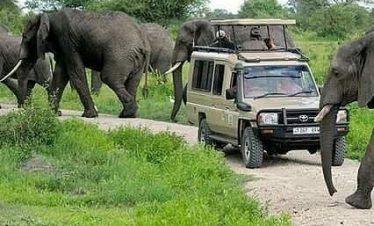
4x4 Safari vehicle with view top roof
-
camping
-
Arusha/ Airport
-
June - December
-
Game Drive
-
All meals during the Safari
-
English, Spanish, French, Chinese
-
Easy to Moderate
-
2-200
-
4
-
99
Overview
- Arrival
- Day 1: Arusha – Tarangire National Park
- Day 2: Serengeti National Park
- Day 3: Full Day Serengeti National Park
- Day 4: Serengeti NP – Ngorongoro Conservation Area
- Day 5: Ngorongoro Crater
- Day 6: Lake Manyara National Park – Arusha/ Airport
- End
Itinerary
Want to experience “Wild Africa” in an authentic way?
A camping safari is for you! Tanzania’s budget camping safari packages are lower in price and more pocket-friendly than the luxury lodge safari package counterparts. The visitors get to sleep in tents which keep them closer to nature and wildlife. It’s a better way to enjoy the beautiful landscape of most national parks.
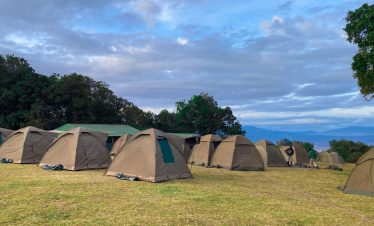
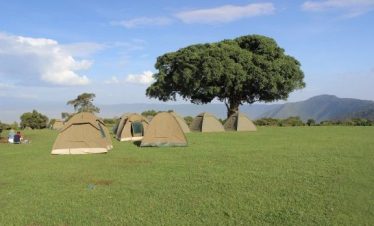
KiliTwende Adventures clients who choose this option will have their tents assembled for them each evening and collapsed again in the morning by our staff, with the tents being packed away and stored on the vehicle, for use again the following evening.
Tanzania’s budget Camping safaris are rewarding experiences because visitors feel like they’re participating in a real African adventure, but still have all the services of safari driver guides, and a chef to take care of all their needs. While on a camping safari, you will have a chef who will be preparing delicious, fresh foods for breakfast, lunch, and dinner.
An amazing experience:
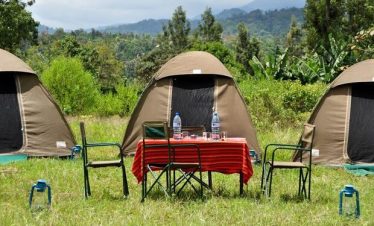
We regularly request and receive feedback from our guests, and most of them were very surprised at the high level of service and care they received, and that the experience was a great deal more comfortable than they anticipated! In the camping safari, tents, mattresses, sleeping bags, chairs, tables, cooking wear and other camping equipment are provided by KiliTwende Adventures.
Most people are worried about their safety in the safari park when they’re amidst uncaged wild animals. But we assure complete tourist safety as armed rangers will be patrolling and guarding the campsites all the time.
You may not stay in luxury accommodation, but you see the same animals and experience the same wildlife. We provide top customer service for all types of travelers and we’ll make sure you get the most out of your buck.
Picked up at Kilimanjaro International Airport and transferred to a hotel in Arusha, where you will meet with a Safari driver guide for the Safari briefing and then rest until the next morning.
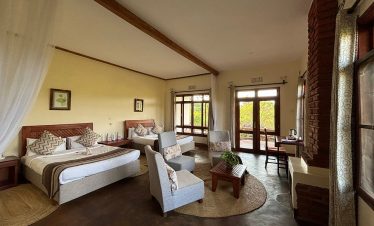
Accommodation: Charity Hotel (or similar to that)
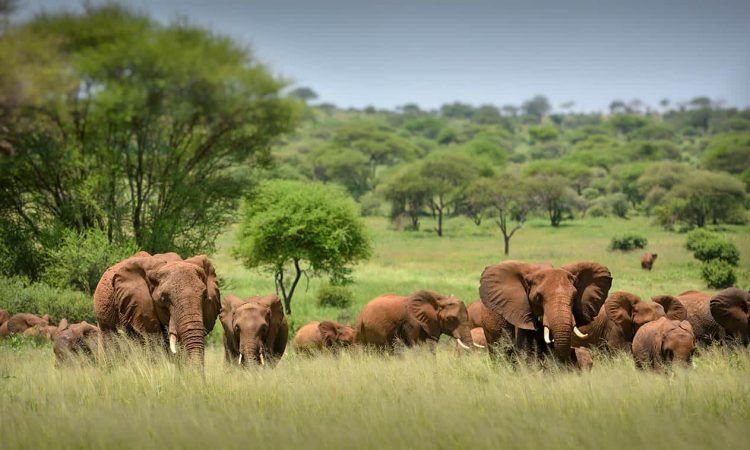
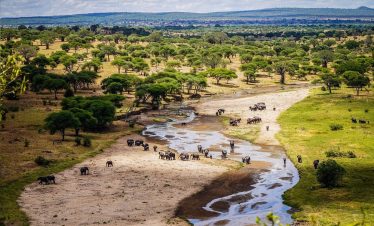
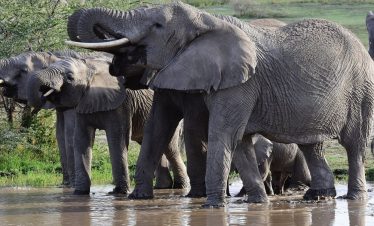
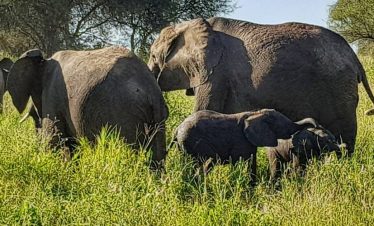
The tour to Tarangire National Park begins after breakfast at the hotel. Tarangire has immense concentrations of game in the peak months and a fraction of the visitors that go to any of the other northern parks. The game viewing here from July through to October is superb and the atmosphere and habitat are completely different from the other parks. The real prizes in the park are dwarf mongoose, Oryx and generuk, but viewings are very rare. Tarangire is one of Tanzania’s finest birding destinations.
After an extensive game drive, you will leave the park and drive to your campsite for dinner and overnight.
Accommodation: Twiga Campsite (or similar to that)
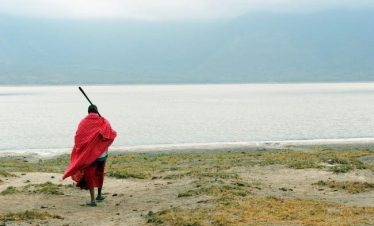
Wake up early in the morning, have breakfast, then depart for Serengeti National Park via Ngorongoro conservation area, one of the most beautiful natural wildlife safari sites in the world and an exceptional place to interact with people from the Masaai tribe.
Enjoy a picnic lunch at Naabi Gate followed by a game drive in the Serengeti. Late evening, drive to your campsite in the Serengeti national park for dinner and overnight.
Accommodation: Serengeti Public Campsites
A full day in Serengeti National Park. You will spend as much time as possible in the Serengeti national park. (Serengeti is a big national park, you need more time there) Start with an early morning sunset game drive, then after lunch, you will continue with the afternoon game drive until sunset. Dinner and overnight in Serengeti National Park at Narudi Tented Lodge.
Accommodation: Serengeti Public Campsite
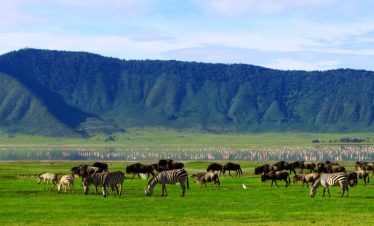
Half day game drives in Serengeti National Park, followed by an afternoon drive to Ngorongoro conservation area. The Ngorongoro Crater and surrounding highlands together form one of Africa’s most beautiful regions. Volcanic craters form stunning backdrops to some of the most fertile and richest grazing grounds in Africa.
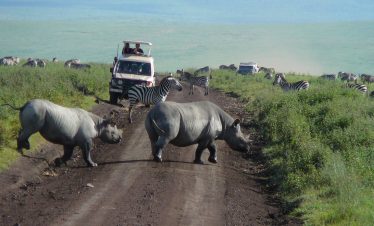
The most famous such crater is, without question, the Ngorongoro Crater, the world’s largest intact volcanic caldera and home to the highest density of big game in Africa, including all the big five and plenty of predators, Arrive at Simba public campsite for dinner and overnight.
Accommodation: Simba Public Campsite at Ngorongoro Conservation Area
From the Lodge, start your descent to Ngorongoro Crater, one of the most beautiful natural wildlife safari sites in the world and an exceptional place to interact with people from the Masaai tribe.
The Ngorongoro Crater and surrounding highlands together form one of Africa’s most beautiful regions. Volcanic craters form stunning backdrops to some of the most fertile and richest grazing grounds in Africa. The most famous such crater is, without question, the Ngorongoro Crater, the world’s largest intact volcanic caldera and home to the highest density of big game in Africa, including all the big five and plenty of predators. Ngorongoro is the best place in Tanzania to see the big five.
Enjoy a picnic lunch in the crater and continue the game drive after the break. Later in the afternoon, ascend to the steep walls of the crater and drive to Forest Hill hotel for overnight.
Accommodation: Forest Hill (or similar to that)
In the morning after breakfast start drive to Lake Manyara National Park. The park is one of the smaller national parks in Tanzania, but it still offers beautiful landscapes and is home to an attractive number of wildlife. The lake itself is an alkaline lake and reaches a maximum depth of 3.7 m.
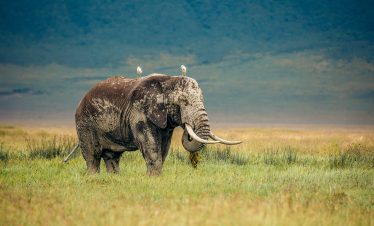
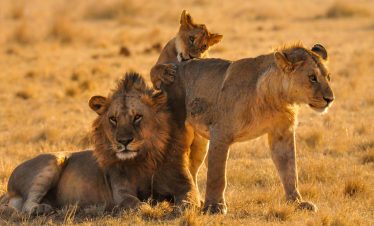
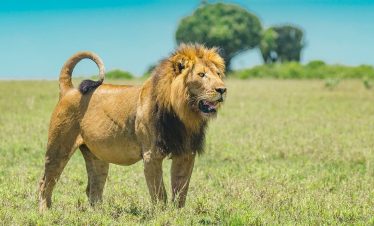
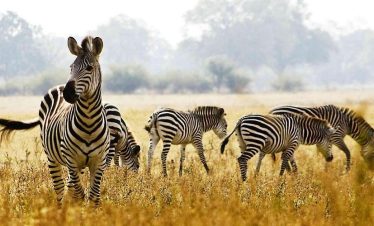
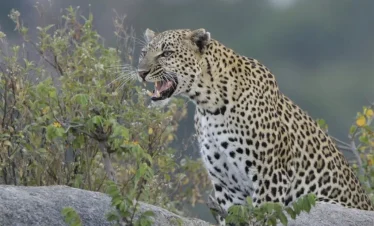
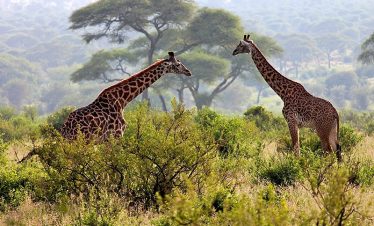
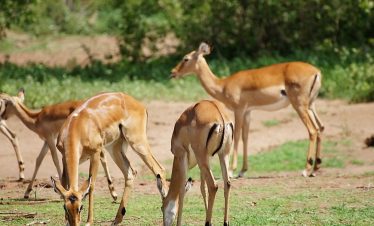
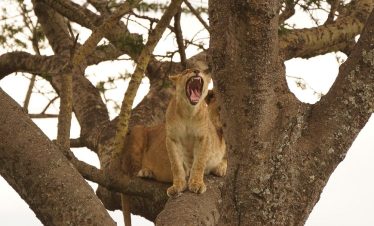
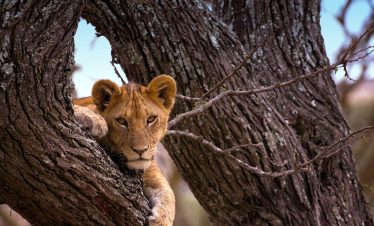
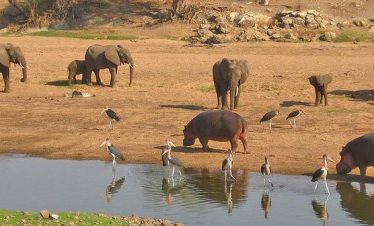
This park is a real highlight for bird lovers, as over 400 species of birds live here. Other residents of the park include elephants, buffalo, hippos, baboons, waterbuck, impalas, giraffes, zebras, and wildebeests. The park has large numbers of leopards, but sightings are rare due to the thick vegetation. With a bit of luck, you can take a look at the famous “tree lions” that climb trees to spend the day lazing there. In the afternoon, start drive to Arusha/Airport.
Accommodation: Forest Hill (or similar to that)

Cost
The Cost Includes
- Park fees (for non-residents)
- All activities (unless labelled as optional)
- All accommodation as stated in the itinerary
- A professional driver/guide
- All transportation (unless labelled as optional)
- All Taxes / VAT
- Roundtrip airport transfer
- All Meals (as specified in the day-by-day section)
- Drinking water on all days
The Cost Excludes
- International flights (from/to home)
- Additional accommodation before and at the end of the tour
- Tips (tipping guideline US$10.00 pp per day)
- Personal items (souvenirs, travel insurance, visa fees, etc.)
- Government imposed increase of taxes and/or park fees.
- Alcohol drinks
FAQs
For the classic safari experience, beach holiday on Zanzibar or trek up Kilimanjaro, the best time to visit Tanzania is during the dry season from June to October. During this five-month period of no rain, wildlife congregates around water holes and rivers, creating the best possible game viewing experience. What is more, all of the national parks in Tanzania are visitable, giving you plenty of choice on where to go. The great wildebeest migration reaches its crescendo in July when countless numbers of wildebeest attempt the dangerous river crossings in the Serengeti National Park. Great weather, crystal clear seas and white sandy beaches makes a tropical beach holiday on Zanzibar perfect during the dry season. It is also the best weather to trek Kilimanjaro.
The high season in Tanzania runs from July to March with a short rainy break in November. However, in the wildlife parks to the south and west of Tanzania the high seasons runs from June to October.
During the high season accommodation prices can be higher. Our goal is to plan for and provide guests with intimate experiences, but bear in mind that this will be the peak travel period to Tanzania’s most famous game parks. If you are looking for a more secluded safari, one of our country experts can help you choose less visited parks to the south or west of Tanzania. Or, if you are on a budget, you could consider one of our intimate group tours, which provides you with the same amazing experience at a reduced cost.
The low season, brought about by the long rains, occurs in Tanzania from April to May. With the abundance of available grass, the wildlife becomes harder to see as it moves further away from its dry-season-water-sources. However, the green vibrant landscape with a wealth of migratory birds certainly makes up for this.
Camps to the north tend to remain open. However some of the accommodations in southern Tanzania can close during this period. The Zanzibar archipelago can receive large amounts of heavy rain, which makes a dream-beach-holiday less advisable in these months.
Prices are lower during this period and if you are open to suggestions from one our country-experts, we could help you plan a unique experience to Tanzania during the low season.
The dry season in Tanzania occurs from June to October and it is the best time to visit Tanzania.
Inland, and depending on where you would like to visit, you can expect to experience dry day-time temperatures ranging from 20°C/68°F to 30°C/86°F. Surprisingly, temperatures can fall rapidly at night, so don’t forget to pack warm clothes for when you partake in an early morning game drive. If at altitude, such as the rim of Ngorongoro crater or Mount Kilimanjaro, temperatures will be much lower. In general, there is very little rain, low levels of humidity and beautiful blue skies during this season.
The Tanzania coastline and the Zanzibar archipelago has a tropical climate. The best time to visit Zanzibar is also during the dry season, due to low humidity, warm weather and low chance of rain. The dry season has the perfect weather for your post-safari beach destination.
Tanzania experiences two rainy seasons, the short and the long rains. Both influence the best time to visit Tanzania, however, the long rains will have the greatest impact on a safari, trek, climb or beach holiday to Tanzania.
The short rains last from November to December. Often unpredictable, it creates a flush of green growth and it is a beautiful time to visit Tanzania. Returning migratory birds are another highlight.
January to February experiences a break from the rain and it happens to coincide with the start to the wildebeests calving season in the Serengeti National Park. Low-season-prices are on offer in some of the southern parks, making this period one of the best times to visit Tanzania.
The long rains occur in March to May thanks to the south-east trade winds carrying huge amounts of rain inland. Often coming in bursts, heavy rain can be expected nearly every day.
The best time to enjoy a safari and view game in Tanzania is June to October. During this time hundreds of herbivores gather near to water sources and dense numbers of predators will be waiting for them.
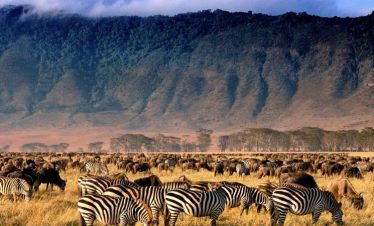
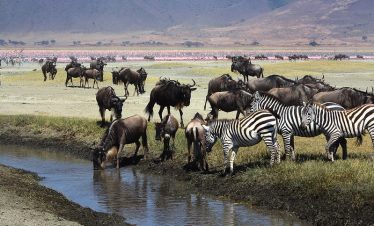
The great wildebeest migration occurs during the dry season, and in July the famous river-crossings take place. Other important months on the wildebeest migration calendar are January to February to see the calving season or May and June to experience the rut (mating season). Both events are spectacular to behold.
January and February are generally dry months, but with fewer visitors in the national parks – a great time for a safari!
The perfect safari weather occurs during the dry season with low humidity and temperatures ranging from 20°C (68°F) to 30°C (86°F). Nights and mornings are cool.
Bird watchers will enjoy seeing the resident birds in the dry season and the arrival of the migratory birds in November and December.